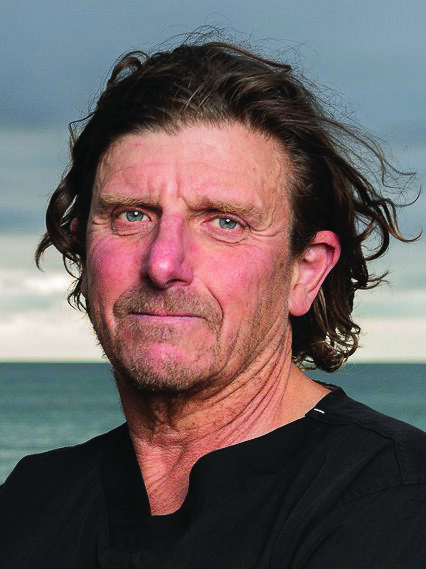
World Mental Health Day on 10 October each year offers a chance to reflect, reduce stigma, and promote wellbeing. The World Health Organization’s theme for this year is Mental health in humanitarian emergencies, with the campaign focusing on the urgent need to support the mental health and psychosocial needs of people affected by humanitarian emergencies.
Mental Health Australia’s theme for this year is Connect with your community. Connecting with our communities – the people and places where we feel safe, seen and heard – can help us feel cared for and supported, which is good for our mental health.
Community in this context can take many forms. It might be friends, loved ones, your mob; a multicultural centre; community choir; community garden; book club; running group; local volunteer group; or LGBTQIA+ group. Whatever yours may be, what’s most important is to feel that sense of belonging.
It would not be a surprise that 30% of those affected by disasters will suffer or experience mental health consequences. As medical professionals, we are very much in the thick of disaster response. While we are fortunate to reside in a country free from war on our soil, we experience our share of natural disasters such as bush fires and floods. In my native Victoria, recent events such as the childcare crisis, police shootings and car attacks are also in the mix of emergencies with both immediate and longer-term effects.
Western Australia has had a horror run with road fatalities, with deaths at a near two-decade high despite extensive road funding and awareness campaigns. Healthcare workers are excellent at responding to these emergencies – our sense of community comes to the fore.
But while we deliver high-quality responses to the events themselves, we have been less adept at acknowledging the longer-term effects upon us.
GPs and emergency doctors are usually the first involved. In rural areas, doctors face the challenges of isolation, limited support after the events, and being in the front line of local emergencies. Many will turn up to offer help. Longer-term, local GPs are often the ones that deal with the mental health trauma, as this will persist or sometimes emerge long after the news bulletins have ceased. This is especially true in regional areas, where teams fly in and then leave after the initial crisis has been resolved.
The Australian theme of connection is important, as the work (especially in rural areas) can be isolating and stressful, highlighting the need for connection and support; exacerbated by the doctor shortage in these areas. The challenge is that in an already stressed system, the added stress of this vicarious trauma is cumulative and may put a vulnerable person at breaking point.
What can we do? Be alert to the mental health challenges of disasters and emergencies. Encourage those affected to seek help. Support the community’s recovery. Look after each other. Embed mental health in the disaster response, especially in those providing the response, and make it long-term. Improve funding, particularly in rural areas, for mental health and after traumatic events.
I started Crazy Socks for Docs based on my own experiences in difficult circumstances and a response to the isolation I felt when people seemed to avoid addressing my obvious signs of mental distress.
The cumulative effect of days such as the one I began, as well as R U OK? Day, and international initiatives like World Mental Health Day, is to increase awareness, reduce stigma, and provide solutions for responses that are rooted in our common humanity and vulnerability.
There is a light at the end of the tunnel if we are prepared to look for it. I hope your World Mental Health Day was a positive one.