Completing medical school is no small feat. It demands resilience, dedication and endurance. No matter where your path leads from here, take a moment to acknowledge what you’ve already achieved and don’t forget it as you enter the next phase.
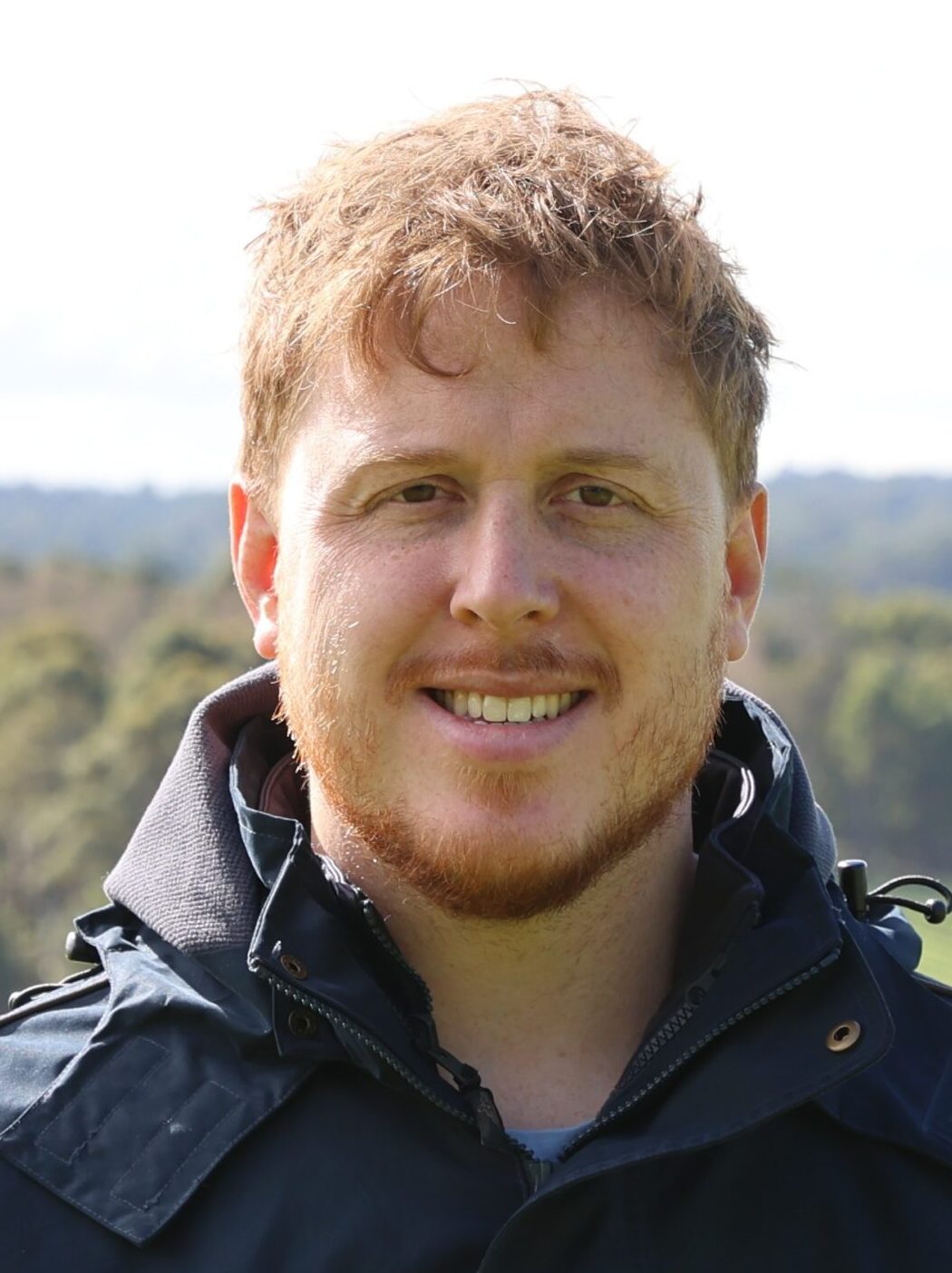
Ten years on from graduation, my journey has led me into rural generalist medicine. I’m a Fellow of the Australian College of Rural and Remote Medicine, with an Advanced Diploma in Obstetrics and Gynaecology. I currently work in the Pilbara, providing obstetric and emergency care in a resource-limited environment filled with fascinating pathology and dynamic challenges.
“
It’s hard to truly understand how challenging medical school is until you’ve lived it. Since I, like you, have once survived the ordeal, I want to begin by congratulating you on making it through to the other side.
If I could offer a few reflections for those just starting out, especially if you’re considering a rural generalist career, they’d be these:
Start with the basics In your early years, focus on becoming a safe, reliable doctor. Learn how to recognise a sick patient. Hone your clinical judgement and procedural skills. Practise staying calm when things get intense, and work on clear communication. Most importantly, get comfortable making decisions, backed by sound reasoning. And a free tip: your kindness makes your own life easier, so practise that too.
Don’t rush Don’t feel pressured to specialise, or to leave the city too soon. Rural medicine can be the “deep end”, and you won’t always have the backup you’re used to. Extra time in the city is never wasted. If you’re heading somewhere truly remote, it’s worth reaching hospital registrar level first.
Don’t be naïve Life in medicine isn’t always easy. There will be long days, emotional challenges, moments of doubt, and real failures. But with awareness and support, you can navigate them. Find a mentor; someone who has walked the road before you. Find a good GP and check in occasionally. Rural medicine can be isolating, but a strong team can also feel like family. We all need to prioritise this for each other.
Stay connected If you’re offering obstetric care rurally, consider doing a few city-based shifts each year. It keeps your exposure up, your skills sharp, and your practice aligned with specialist standards. During your training years, build strong relationships with city-based teams, as they can support you for years to come. For me, this has been true in both obstetrics and emergency medicine. I’m deeply grateful for the specialists who continue to teach me with patience and an understanding of my rural practice realities.
Being a rural generalist is an extraordinary profession and well worth considering. For now, keep learning, stay curious, and look after yourself and your colleagues. We need good doctors who are trusted, appreciated members of their communities. And we need them to last.
Congratulations again, and welcome to the profession.