




Paddy glad he took the bush challenge
When did you know you wanted to be a doctor?
I knew I wanted to be a doctor by the time I was about 12 years old. We didn’t have any doctors in the family, and I had limited contact with healthcare at the time. But I was sure it was what I wanted.
Why did you join the AMA?
I joined and got involved with the British Medical Association (BMA) soon after qualifying.
I saw the tremendous effect a united organisation representing the whole profession could have – in improving services for patients; improving conditions for doctors; and improving the health of the nation. Soon after arriving in Australia, I joined the AMA as it felt like the right and obvious thing to do.
Why did you join the AMA (WA) Council?
My role on the AMA (WA) Council comes with my new position chairing the Rural Doctors Practice Group. My role is to ensure rural doctors and rural communities continue to have their voices heard.
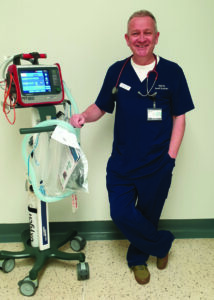
Dr Patrick (Paddy) Glackin
Why did you choose your specialty?
I initially chose general practice, as I had always wanted to be a GP. After 20 years as an inner-city GP in the NHS (UK) working in highly deprived multicultural practice, I was looking for a new challenge. So we moved directly from Central London to Esperance.
What advances in medicine are having the greatest impact on your practice?
I think it’s the advances in the context in which we practise that have had the greatest impact. As an intern, I had the Oxford Handbooks stuffed into my pockets.
I was a GP Registrar the first time I used a computer in a consultation. The improvements in IT over the last 35 years are amazing.
We have real time electronic in-consultation evidence-based decision-making support. I can talk to an orthopaedic registrar who can see the images minutes after they’ve been taken. The paediatrician on the phone or the FACEM on the screen can see the results of the benchtop tests we’ve just run. We work in safer, better, more integrated systems, which undoubtedly achieve better outcomes for patients. That and PPIs for me!
What would you tell a young doctor looking to work in a rural setting?
I’d say that for me, moving to Esperance and becoming a rural generalist was the best thing I’ve ever done in terms of my clinical practice. I went from bumping along towards the lower end of my scope of practice to working regularly at or near the top of my scope.
As a rural generalist you provide a whole range of general practice and hospital services to patients and the community. Professionally, it’s highly rewarding.
Financially, it’s not as rewarding as it should be – this government still pays rural generalists way less than urban specialists, but that’s something we’ll be working on between now and the next election.
What’s the first issue you would tackle if you were WA Minister for Health?
Equity and access have always been my passions. So the inequity and lack of access to healthcare for people living in regional, rural and remote WA would be top of my list.
How do you spend and prioritise your time away from medicine?
I’m happy to say there’s a lot more of it since I gave up full-time work. Playing music, walking the dog, cooking, and travelling with my partner are all things that bring me joy.
Do you have any heroes and mentors who have guided your path so far?
So many. I was privileged to be taught by fearless innovators like Professor Ivor Browne in Dublin.
I was trained in London by GPs from the incredible generation that transformed British general practice in the 1970s. The BMA was full of amazing talent and wisdom. I had the pleasure of working alongside Dr Tony Stanton whose one-liners I use regularly to this day.
If you weren’t a doctor, what would you be?
The fantasy alternative life would be an international rock star. The alternative career that nearly happened was legal academic.
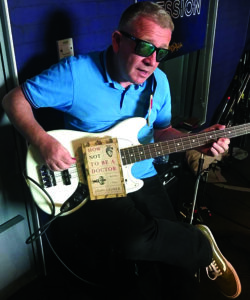
Paddy at play: in his fantasy alternative life as an international rock star.
What’s your ideal holiday destination?
There are a few. Donegal, because that’s my country. Ibiza, which is just the most magical island. And increasingly interested in Japan, which is endlessly fascinating.
What’s something your parents impressed upon you?
The value of hard work, loyalty and decency.
What’s the one life lesson you will always remember?
I lived through the AIDS pandemic in London and had attended way too many funerals of young people by the time I was 30. The experiences of that period taught me not to take anything in life for granted.