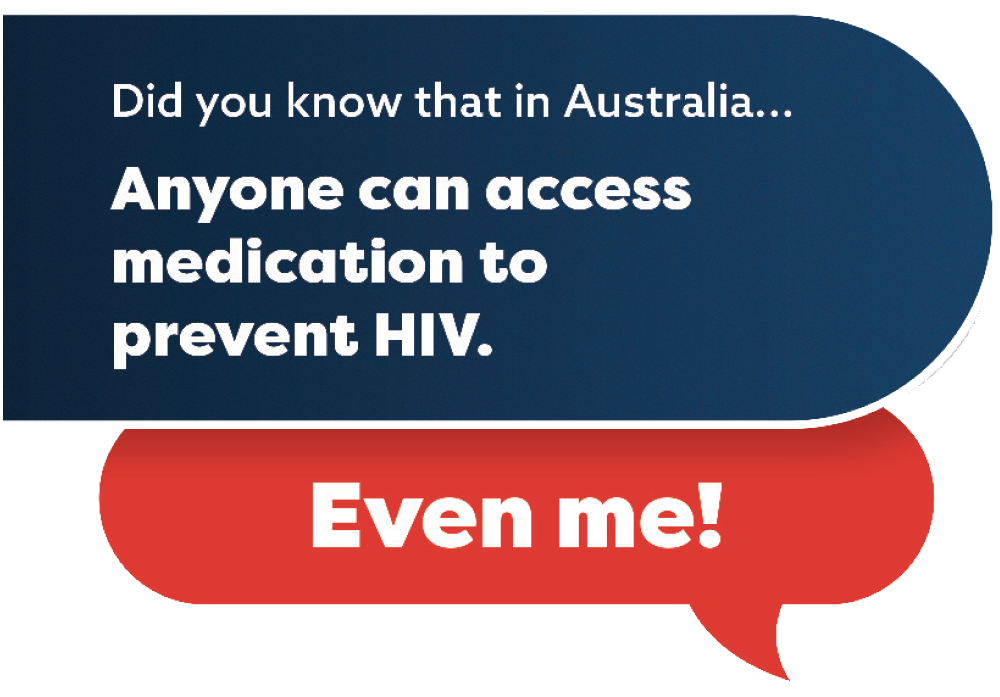
The landscape of HIV transmission in Australia is shifting. While HIV was historically concentrated among gay, bisexual and other men who have sex with men, recent data shows a growing proportion of diagnoses among heterosexual individuals – particularly adults from culturally and linguistically diverse (CaLD) backgrounds.
Figures from the WA Department of Health indicate that HIV notifications increased from 68 in 2023 to 77 in 2024. Between January and June 2024 alone, 28 new diagnoses were reported, with the majority involving individuals born in South-East Asia and Sub-Saharan Africa. People from CaLD backgrounds continue to be recognised as a priority group under both the Western Australian Sexual Health and Blood-borne Virus Strategy 2024-2030 and the Ninth National HIV Strategy 2024-2030.
This shift highlights deeper social and structural issues that extend far beyond individual behaviour. Historically, HIV has often been wrongly framed as a consequence of “immoral” behaviour, reinforcing harmful narratives that drive stigma and discrimination. In the context of CaLD health, this moralistic framing compounds the real drivers of HIV transmission: structural inequalities, social exclusion, migration-related challenges, limited access to culturally appropriate healthcare, and ongoing stigma.
For many people from CaLD backgrounds, navigating a new healthcare system can be overwhelming, especially when services are not culturally safe or accessible. These barriers heighten HIV risk not because of personal behaviour, but because the systems designed to protect health often fail to reach or support everyone effectively. However, when services adapt to meet the needs of CaLD communities, this enables greater engagement and trust, which is essential to reduce sexual health stigma and improve access to HIV prevention, treatment and care.
The role of healthcare professionals
Healthcare professionals are at the frontline of reshaping how HIV is understood and addressed in Australia. Importantly, their role goes beyond clinical care.
Some practical ways to support equity in HIV
- Avoid making assumptions about a patient’s HIV risk based on background or appearance. Proactively initiating conversations about HIV prevention including HIV testing, condom use, pre-exposure prophylaxis (PrEP) and post-exposure prophylaxis (PEP) with all patients is critical. Many people may assume they are not at risk if a healthcare professional does not raise the topic. Clinical guidance on prescribing PrEP is available through the ASHM National PrEP Guidelines, while community-focused information and translated patient resources are available via the WAAC website.
- Provide culturally safe services. This involves respecting diverse experiences and acknowledging the impacts of migration, trauma, and systemic discrimination. Practical steps include using professional interpreters, offering translated health information, maintaining confidentiality, and understanding cultural perspectives around sexual health and HIV. WAAC offers free training for healthcare professionals on inclusive practice to support this work.
- Normalising sexual health discussions as a routine part of healthcare is another important step. Framing sexual health as integral to overall wellbeing helps reduce shame and taboo, particularly among CaLD communities where sexual health topics may carry additional stigma. Stigma prevents individuals from seeking the care they need. To combat this, healthcare professionals must approach these conversations with understanding, respect and empathy. Discussing behaviours such as sex and drug use as normal aspects of human life is key to dismantling harmful stereotypes and improving access to prevention, testing and treatment services for all communities.
When healthcare settings are welcoming and inclusive, individuals are empowered to make informed choices about their sexual health, protecting not only themselves but also their families, partners and communities.