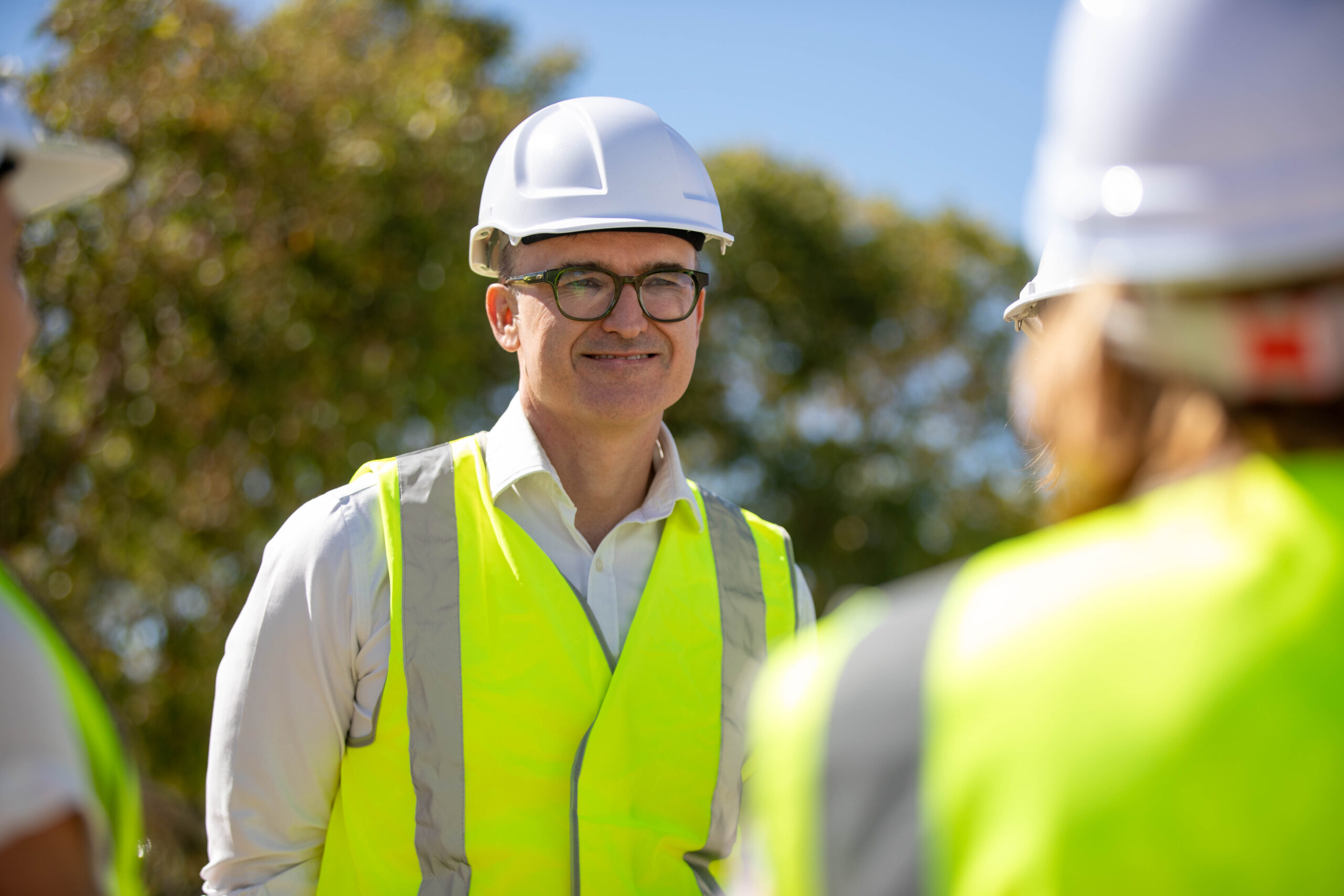
As the health infrastructure minister, I was brought in to re-examine how we can best deliver projects, including those that were constrained. The truth is that no major construction project is delivered in the same manner as it was done pre-COVID. After rapid reviews undertaken by the new Office of Major Infrastructure and Delivery (OMID), we have taken a fresh approach to a number of major builds.
We’re no longer redeveloping the existing Peel Health Campus and will instead build a brand-new hospital for the region, allowing for faster delivery without disrupting current operations, and giving us the opportunity to repurpose the existing campus for other healthcare needs in the future. Instead of redeveloping the existing Royal Perth Hospital ED, we’re building a new ED in a new six-storey block. Again, this will be faster and avoid disruption to ongoing clinical services.
Our program of reform also includes changing how we procure work. An example is how we packaged the redevelopment of Meekatharra Hospital and the expansion of Albany Health Campus as one tender, to make the program of works larger and more attractive to contractors, especially modular builders.
We’ve increased the use of Expressions of Interest and market sounding to test delivery options, timing and packaging before going to tender. And the Government has moved away from a one-size-fits-all contracting approach to adopt delivery models tailored to each project’s complexity, risk profile and market conditions.
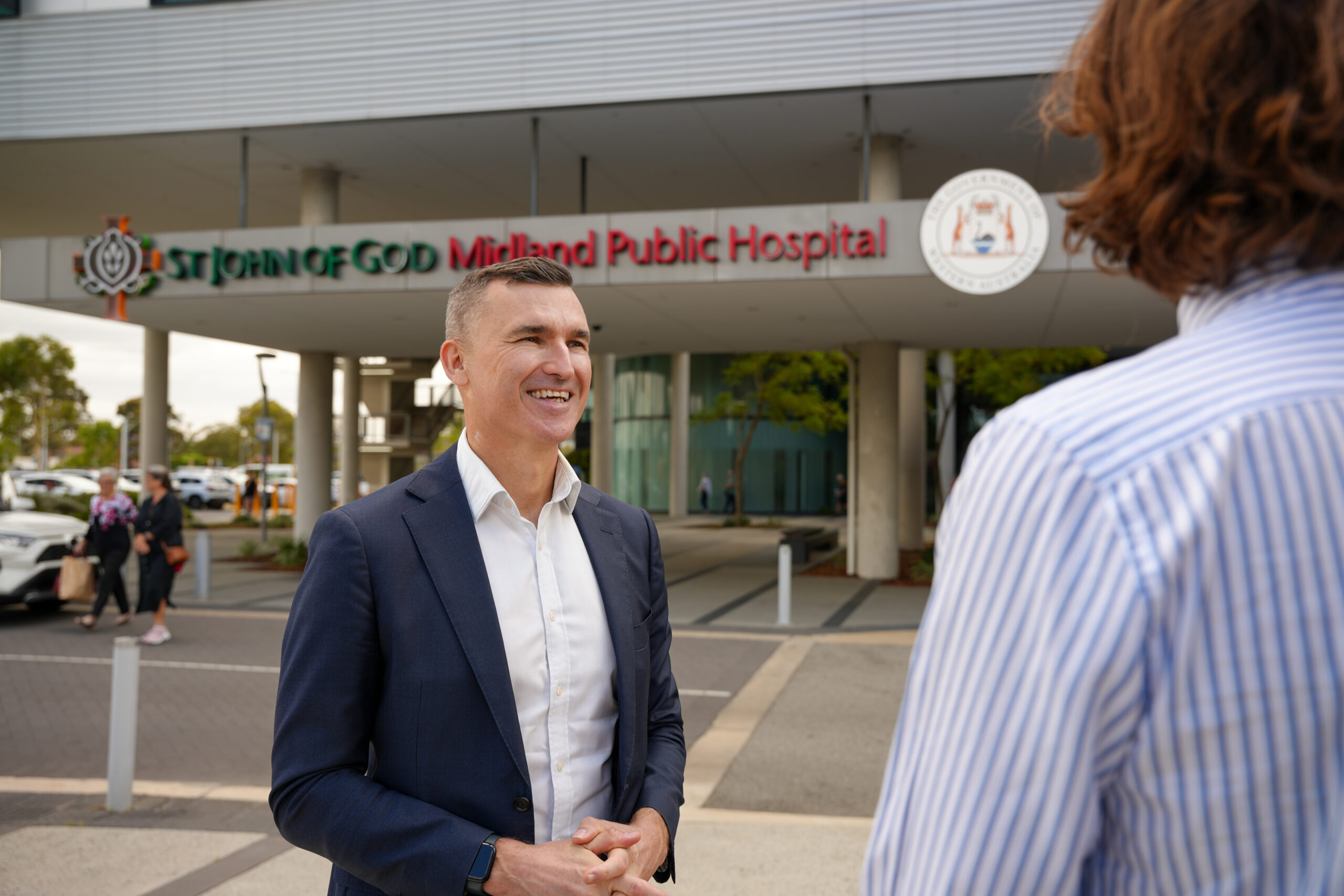 The redevelopment of Geraldton Health Campus has a Managing Contractor; we’re seeking Early Contractor Involvement for Meekatharra and Albany; and we’re progressing Peel and Royal Perth Hospital through an Alliance model.
My focus remains as much on our existing health assets – half of which are more than 30 years old – as it does on new projects. Money from our $50 million maintenance blitz is rapidly being spent across three older hospitals. And following an audit into health maintenance, the Government has committed to a program of reform to improve procurement across the public health system.
Since taking on this new portfolio, I’ve been getting out to several projects now underway – including in regional locations such as Laverton, Mullewa, Bunbury and Geraldton. In doing so, I never lose sight of the fact that without the dedicated staff who are providing world-class care every day, these buildings would be empty shells.
Staff and clinicians will be central to the changes we’re implementing, and we will shortly be engaging in a new clinical consultation framework that ensures clinical and operational expertise continues to drive infrastructure specifications for health facilities in a new delivery environment.
It’s our government’s ongoing commitment to empower our doctors, nurses and other health staff by upgrading and expanding the capacity in the health system.