



CBT-i, an alternative to sleeping meds for insomnia

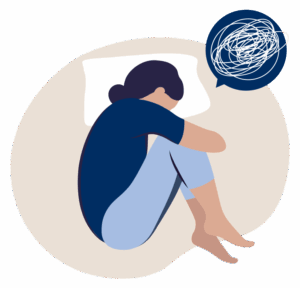
Sleep is essential for our overall health and wellbeing. It is unsurprising then that there is a strong causal link between sleep and mental health. This relationship is bidirectional: poor sleep can exacerbate symptoms of various psychiatric disorders (e.g. bipolar disorder, psychosis) just as some psychiatric disorders can disrupt sleep (e.g. PTSD, depression, anxiety).1
Of those with sleep problems in Australia, 10-15% of adults meet criteria for clinical insomnia.2
Recent developments in psychological science have applied the principles of CBT to develop an effective treatment for insomnia (CBT-i). This is a structured, evidence-based treatment, usually 6-8 sessions, rebatable under Medicare.
What is CBT-i?
The core components of CBT-i include cognitive restructuring to challenge and replace unhelpful beliefs about sleep; re-establishing bed as a cue for sleep rather than wakefulness; increasing sleep drive through sleep restriction; teaching relaxation techniques; and psychoeducation on sleep hygiene (e.g. maintaining a regular sleep schedule, limiting caffeine and alcohol, and creating a comfortable sleep environment). These elements work synergistically to address the behavioural and cognitive factors that perpetuate insomnia.
Does CBT-i work?
Yes.3 It has been shown to be an effective treatment for insomnia across diverse populations and settings. While pharmacotherapy can be more effective in the short term than CBT-i, the benefits of CBT-i are more durable than medication. Significant improvements are seen in sleep onset latency, time awake after sleep onset, sleep time and sleep efficiency, and the benefits maintain at follow-up. CBT-i’s strongest effects are on the core symptoms of insomnia, but small to moderate improvements are also seen in daytime symptoms (e.g. fatigue, mood, quality of life, and social functioning).
CBT-i has been shown to be effective for both primary insomnia and insomnia related to other conditions such as mood disorders, PTSD and cancer. The positive effects of CBT-i are durable, with evidence of sustained improvements in sleep and insomnia severity up to 10 years after treatment. The distinct advantage of CBT-i is that there is no risk of dependency, side-effects such as daytime drowsiness are not an issue, and sleep improvements often continue after treatment ends.
Who can deliver CBT-i?
A range of health professionals can deliver this treatment. The most common providers are clinical psychologists and registered psychologists who have completed dedicated training in sleep disorders and CBT-i. It can also be delivered by behavioural sleep medicine specialists and psychiatrists with specific training in CBT-i, and by GPs who have completed CBT-i training through Focused Psychological Strategies. CBT-i is also available via telehealth platforms or digital programs, which can be convenient for rural and remote patients, and when a CBT-i trained practitioner is not accessible.
How do I find a CBT-i practitioner?
When searching for a suitable practitioner, it is important to select a provider who has specific training in CBT-i. There are Australian directories listing health professionals who are members of the Australasian Sleep Association (ASA) and/or have completed CBT-i specific training CBT-i.4 These directories are designed to help patients and GPs find qualified CBT-i providers.
_______
References available on request.