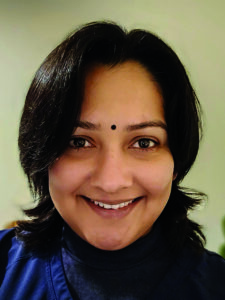
As someone who has worked in Armidale (NSW) for many years now, I am a strong advocate for rural healthcare. While it’s challenging, of course, it’s extremely satisfying and rewarding. But there are major issues that must be addressed, and the AMA’s IMG Working Group is dedicated to unearthing and pursuing solutions to these problems.
By establishing an IMG Working Group, the AMA is telling all overseas-trained doctors in Australia that they are extremely valued here, and that someone is looking out for them. The AMA has long advocated for IMGs – but the IMG Working Group will ensure this support is further solidified, and that new policies and reforms will be pursued.
Reforming the employment pathways for IMGs is an obvious place to start. All too often, I hear about the red tape preventing IMGs from starting a career in Australia, and I’ve experienced it myself. I have a friend who is trained as a neurosurgeon, currently working at a supermarket. These kinds of stories are all too common.
Visa processes and employment practices must be reviewed, and efforts must be made, to ensure IMGs have equal opportunities that lead to long-term employment, particularly in rural and regional areas.
Exploitation is one big issue we are urgently working to address. When seeking work in Australia, many IMGs will look past low wages and poor conditions – either because they’ve already struggled to get their foot in the door here, or because they’re simply unaware of the benchmarks.
Job-seeking resources must be made available for IMGs. Primary health networks (PHNs), general practices, medical colleges, local governments and other medical stakeholders all have important roles to play in ensuring IMGs are welcome in Australia. Some of these problems were discussed at the AMA’s Rural Medical Training Summit held in Canberra last year. PHNs can play a greater role in supporting IMGs and establishing support groups to connect overseas-trained doctors if they are feeling bullied, exploited, or otherwise struggling with their wellbeing.
As the IMG Working Group Chair, I look forward to being at the front of the AMA’s efforts to improve outcomes for all overseas-trained doctors. And I hope I can encourage more IMGs to engage with the AMA at state, territory and federal levels to ensure we can create a better system for all.