

Organising for Change

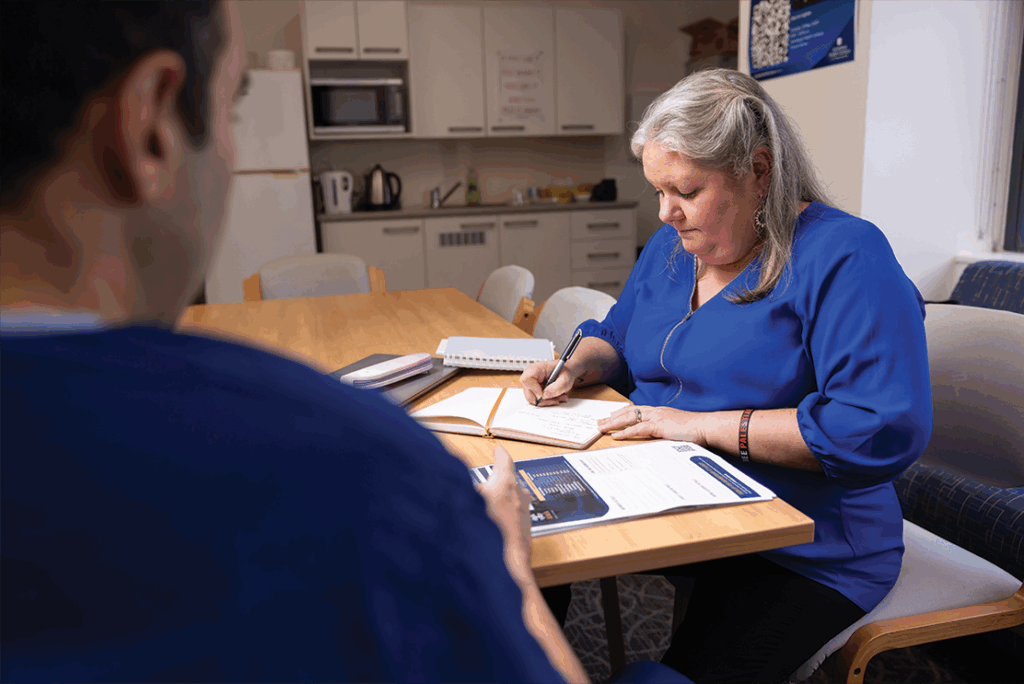
 Louise Dillon has become the first-ever union organiser at the AMA (WA) – a groundbreaking step made possible by the new Industrial Agreement won by doctors in 2024. For the first time, this Agreement gives a union organiser formal access to hospitals and health services across the State, allowing Louise to meet directly with doctors in their workplaces.
This milestone is the result of strong collective action by doctors and the support of AMA (WA) leadership, including CEO Dr Bennie Ng, President Dr Michael Page and Vice President Dr Kyle Hoath, who recognised the need for meaningful, on-the-ground representation.
The Agreement doesn’t just open the door to organising; it enshrines the right for union representatives to formally represent their colleagues. Doctors now have the ability to act collectively, raise issues, and be supported by elected reps and organisers in resolving workplace concerns.
This role is about more than visibility; it’s about building power, voice and solidarity where it counts. Louise’s on-site presence means doctors can raise concerns, share experiences, and organise together to improve their working conditions. It’s a clear sign that doctors are not just employees, they are workers with the right to be heard, supported, and collectively represented.
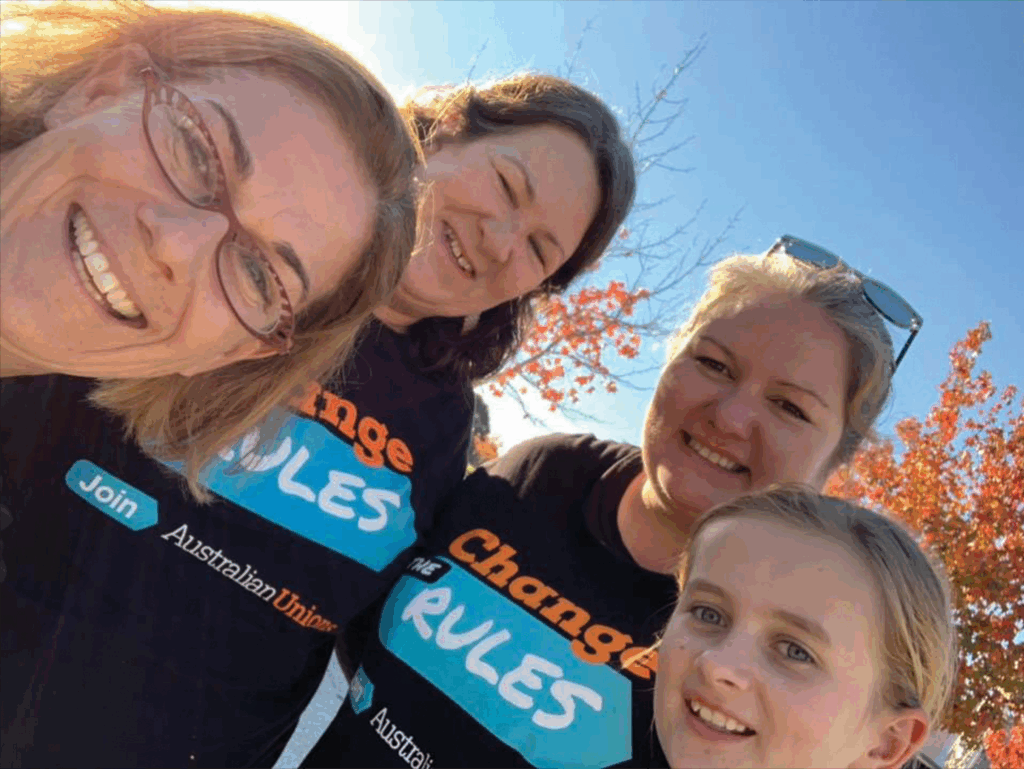
I joined the AMA (WA) in early 2025, stepping into a role that feels both familiar and entirely new. Familiar, because I’ve spent the past two decades working in and around unions: organising, advocating, negotiating, and holding space for workers whose voices are too often left out of the boardroom. New, because healthcare is a sector unlike any other. It’s fast-paced, high-pressure, and deeply human. I am here to listen, learn and build.
My journey to this point has been shaped by diverse experiences across many industries including the public sector, education, manufacturing, laundries, casinos, and logistics – always anchored in the same core belief: working people deserve dignity, respect and real power in the workplace. That belief brought me to the AMA (WA), where I’m now working on the ground with doctors in training (DiTs), specialists, and other healthcare professionals who give everything to their jobs, and who often face untenable working conditions in return.
A Foundation in Organising
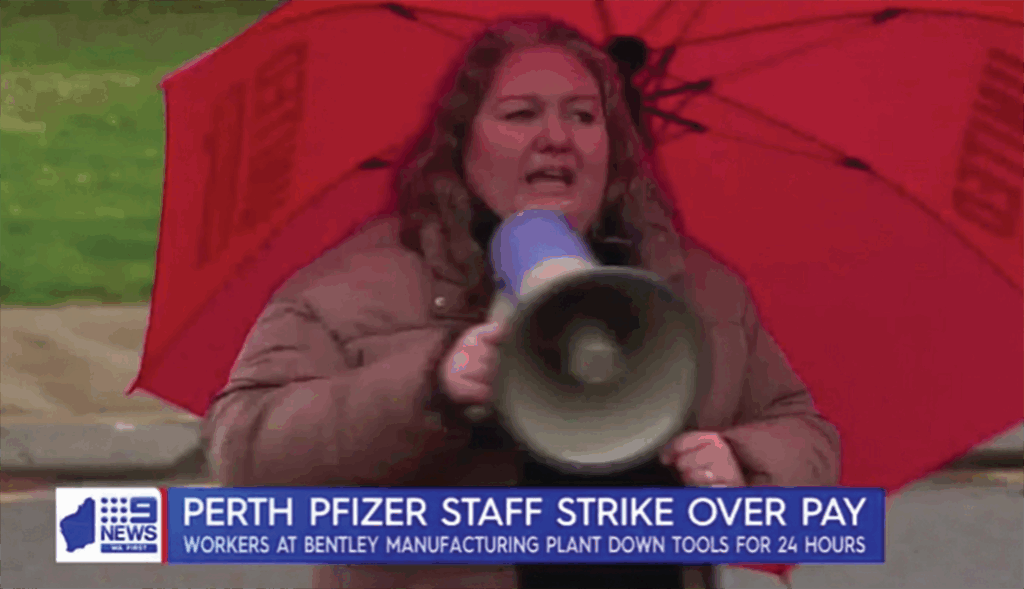
 Before joining the AMA (WA), I served as a National Coordinator at the United Workers Union (UWU), where I was responsible for key sectors like food manufacturing, laundries, and pharmaceutical manufacturing. During my time there, I led campaigns that grew membership, built deep delegate structures, and won real gains in pay and safety – especially in under-resourced or high-turnover industries like laundries and food processing.
That work demanded resilience and adaptability. Like many unionists, I’ve had to navigate complex challenges while keeping members at the centre of the work. I take pride in training organisers, mentoring delegates, and developing targeted training for health and safety reps and workplace leaders.
That background gave me the grounding I needed to transition into my current role. I bring with me not just tactical experience, but also a strong sense of strategy, an understanding of industrial frameworks, and a belief that the best organising is led by the members themselves.
The State of Play in Healthcare
What struck me immediately about the medical profession – particularly for DiTs – is the contradiction at the heart of it. On one hand, doctors are held up as the backbone of the health system, crucial to public health and safety. On the other hand, they’re routinely expected to work under unsafe conditions: long hours, unpredictable rosters, unpaid overtime, and systemic understaffing.
It’s clear that the medical workforce is under strain. But it’s also clear that healthcare workers are ready to organise. I’ve already met countless interns, registrars, and resident medical officers who are incredibly switched on – people who understand their rights, want to build collective power, and are ready to act. The challenge is how we organise at scale across rotating shifts, transient placements, and workplaces with deep hierarchies. That’s what I’m here to do.
Building a Culture of Organising
Cultural change doesn’t happen overnight – but it does happen when people start to see results. When doctors win better rosters, when unsafe workloads are challenged, when hospitals feel more accountable – it changes the story. People begin to believe that things can be different, and that they have a role to play in that transformation.
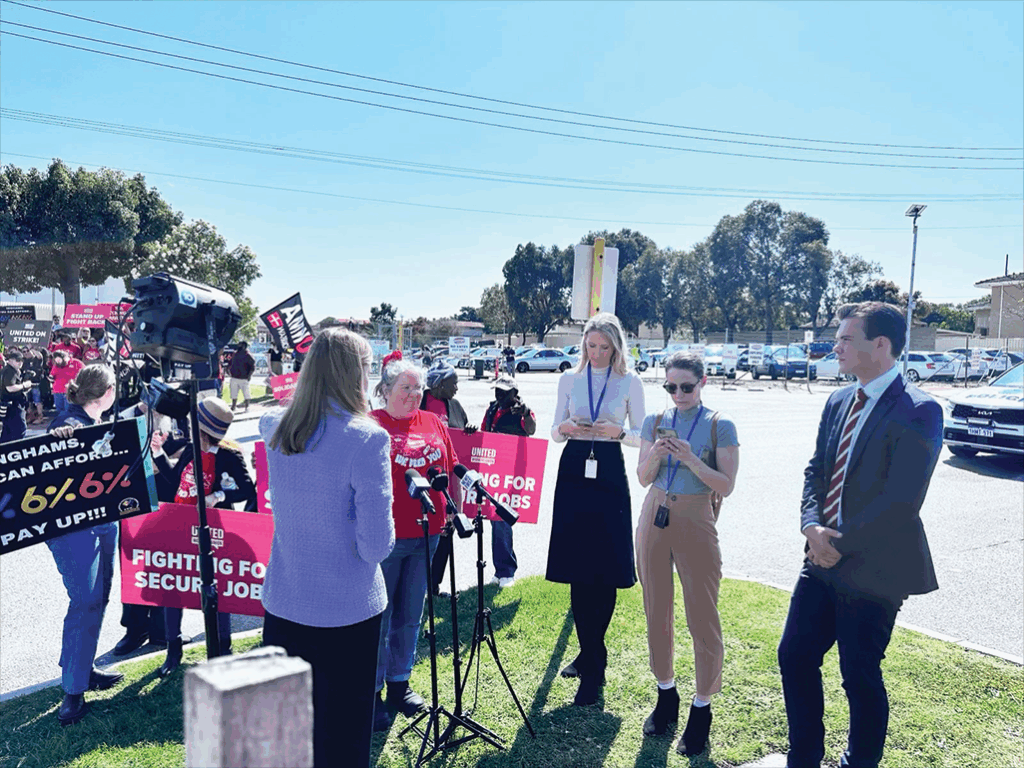
I’ve seen this firsthand. At Inghams in Osborne Park, we built a delegate-led bargaining campaign that pushed through significant employer resistance to win wage increases, improved safety, and stronger union rights. At the Woolworths Distribution Centre in Forrestfield, we ran a comprehensive bargaining and safety campaign that grew union density, gave delegates the tools to lead their own campaigns, and had real wins around safety – wins that have changed the working lives of logistics workers across the country. We can do the same in healthcare.
The key is sustained effort, honest relationships, and a refusal to back down when things get tough.
Looking Ahead
I want to build something durable at the AMA – something that continues to serve members long after I’m gone. I believe in succession planning, in mentoring new leaders, and in always thinking about what comes next.
In the coming years, I want to see:
-
- every major WA hospital with a structured, active delegate network;
- doctors leading their own campaigns and shaping union strategy;
- stronger protections against workplace bullying and harassment;
- a union culture that reflects the diversity of the healthcare workforce; and
- real wins at the bargaining table, backed by organised, mobilised members.
None of that happens overnight. But all of it is possible.
A Final Word
Being a unionist isn’t just a job – it’s a commitment to a better world. I’m proud to bring my experience to the AMA (WA), and I’m excited to build something powerful with our members. The health system will not fix itself. But with courage, strategy and solidarity, we can force it to change.
I look forward to walking the wards, hearing your stories, and fighting alongside you, because healthcare workers deserve a union that fights as hard as possible for their rights – and that’s exactly what we’re building.
In unity,